Why the Maasai Mara Is Kenya’s Premier Safari Destination
The Maasai Mara stands as one of Africa’s most celebrated wildlife destinations, offering concentrations of game that few ecosystems on the continent can match. Located in Narok County and adjacent to Tanzania’s Serengeti, the reserve forms a critical piece of the larger Serengeti Mara ecosystem, where roughly 1.5 million wildebeest, hundreds of thousands of zebra, and accompanying predators move in a continuous loop driven by rainfall and grass growth.
For first-time visitors, the appeal is straightforward: high wildlife density, dramatic landscapes of rolling grasslands and acacia-dotted riverbanks, and the cultural dimension of Maasai communities who have lived alongside this wildlife for generations. The reserve itself spans roughly 1,510 square kilometers, but the wider conservancy buffer has expanded the wildlife area significantly beyond the original reserve boundaries, creating one of the most important African wildlife reserve landscapes anywhere on the continent.
The reserve delivers consistently on three fronts: predator sightings, plains game variety, and one of the natural world’s most extraordinary spectacles, the Great Migration. This combination is what draws first-time safari-goers and seasoned wildlife photographers back year after year, and it is the reason the Mara has retained its place at the top of Kenya’s safari circuit for decades.
When to Go: Seasons, Weather, and the Great Migration
Timing shapes a Maasai Mara safari more than almost any other variable. The reserve sits at an elevation of around 1,500 to 2,000 meters, which moderates temperatures year-round and makes the climate comfortable for game drives in most months. Mornings and evenings can be genuinely cool, while midday temperatures remain warm but rarely punishing.
The region experiences a bimodal rainfall pattern. The long rains fall roughly from March through May, and the short rains arrive in November and December. The dry seasons, from late June to October and again from January to February, are generally considered the best windows for game viewing because animals concentrate around remaining water sources and visibility improves as vegetation thins. Many lodges close or reduce operations during the heavy rains, so visitors should plan around lodge availability as well as wildlife patterns.
The Great Migration safari window falls between July and October, when the wildebeest herds typically cross from the Serengeti into the Mara through the Mara River. The exact timing shifts each year based on rainfall patterns, but visitors during this peak season witness river crossings where crocodiles, strong currents, and chaotic swimming create some of the most photographed wildlife scenes on the planet. Outside this window, the migration herds remain in the Serengeti, though the Mara still hosts healthy resident populations of wildebeest, zebra, and topi year-round.
For travelers prioritizing fewer crowds and lower rates, the January and February dry season offers excellent predator viewing and calving in the southern Serengeti that often spills into the Mara ecosystem. November’s short rains bring lush green landscapes and dramatic skies, ideal for photography, though some dirt roads become harder to navigate and morning fog can delay game drives.
Choosing Where to Stay: The Reserve, Conservancies, and the Mara Triangle
The Maasai Mara is not a single uniform destination. Visitors choose between the national reserve itself, the surrounding Maasai Mara conservancies, and the western sector known as the Mara Triangle, each offering different trade-offs in access, vehicle density, and activities. The right choice depends on budget, travel style, and what the visitor most wants from the experience.
The national reserve, managed by Narok County, is the original protected area and the most visited. It allows a higher concentration of vehicles at sightings, particularly around the Mara River crossing points during the migration. Park fees apply per 24-hour period, and visitors must exit the reserve by a set time each evening. For travelers who want the classic crossing drama and the widest range of lodge options, the reserve itself remains the natural choice.
The Maasai Mara conservancies are private or community-owned lands bordering the reserve. Stays in conservancies cost more, but the trade-offs are significant: off-road driving is permitted in many areas, walking safaris and night drives are possible, and vehicle limits cap the number of guests at any one sighting. Conservancies such as Olare Motorogi, Naboisho, and Mara North have built reputations for exclusive, low-density experiences that feel closer to a private wilderness than to a shared park.
The Mara Triangle, the western third of the reserve managed by a non-profit trust, is often less crowded than the eastern side. Visitors enter through the Oloololo Gate and find quieter game viewing, particularly outside the peak crossing weeks. The Sekenani and Talek gates serve the eastern reserve, and several airstrips connect the region to Nairobi and beyond.
Comparing the three main areas
| Area | Vehicle Density | Off-Road Driving | Walking Safaris | Night Drives | Typical Cost |
|---|---|---|---|---|---|
| National Reserve (East) | High in peak season | Restricted | No | No | Moderate |
| National Reserve (Mara Triangle) | Moderate | Restricted | No | No | Moderate |
| Conservancies | Low, capped by area | Yes (most) | Yes | Yes | Premium |
Budget-conscious visitors and those focused purely on river crossings often choose the reserve itself. Photographers and travelers seeking solitude tend to favor conservancies. Visitors wanting a quieter take on the reserve experience may opt for Mara Triangle safari tours, which combine reserve access with the relative calm of the western sector.
Wildlife, Predators, and Photography in the Mara
The Maasai Mara is one of the few places in East Africa where visitors can realistically tick off the full Maasai Mara Big Five in a few days: lion, leopard, elephant, buffalo, and the endangered black rhino. The reserve supports one of the largest populations of lions in Kenya, and leopards are regularly found in the riverine forest along the Talek and Mara rivers. Cheetahs thrive on the open plains, where the short grass gives them long sightlines for hunting and where the open terrain makes sightings more reliable than in busier habitats.
Beyond the Big Five, the Mara is a stronghold for spotted hyena clans, with some of the most studied populations in the world. Wild dogs occasionally pass through, and the reserve hosts healthy numbers of giraffe, eland, impala, gazelle, and hippo. Birdlife runs to more than 470 recorded species, including six species of vulture, martial eagles, and the lilac-breasted roller, making the destination as rewarding for birders as it is for mammal enthusiasts.
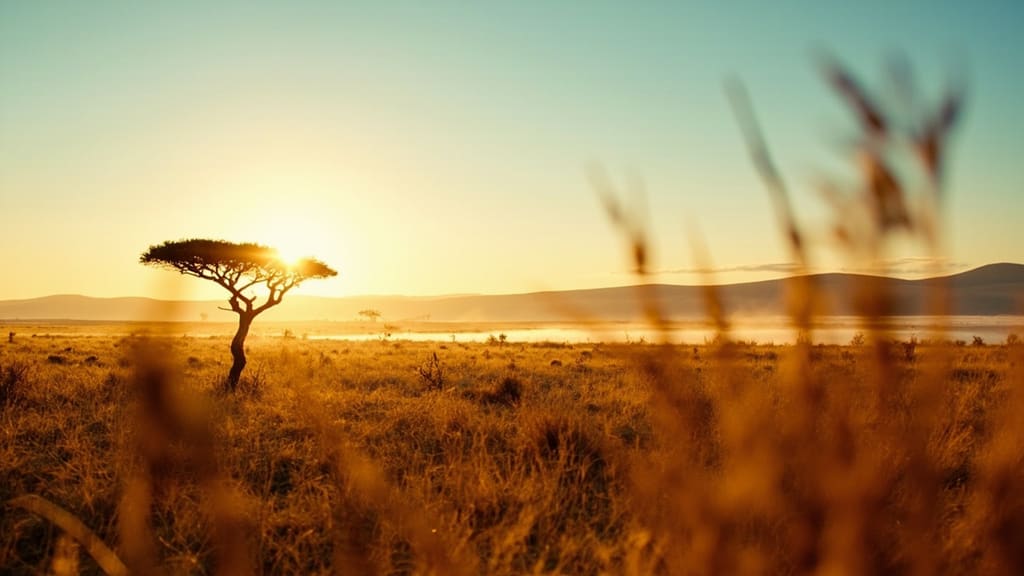
For photographers, the light in the Mara is exceptional. Golden hour game drives produce rich warm tones across the grasslands, and dust kicked up by herds adds atmosphere to action shots. The annual Maasai Mara photography competition, hosted by some of the larger conservancies, draws serious wildlife photographers from around the world and offers visitors a useful window into the kind of imagery the landscape can produce. The best submissions tend to come from guides who know specific animal individuals and who time shoots around known behaviors rather than chasing the herd.
Responsible photography practices matter. Keeping voices low, avoiding sudden movements, and following guide instructions at sightings protects both the animals and the experience for other visitors. Most importantly, the wildlife should always dictate the encounter, not the camera. A patient, quiet vehicle almost always sees more than an aggressive one.
Planning the Trip: Logistics, Costs, and Practical Tips
A well-planned Maasai Mara safari balances time, budget, and realistic expectations. Most itineraries run four to seven days, with two to three nights being the minimum to justify the travel investment. Flying from Nairobi to one of the Mara airstrips takes roughly 45 minutes and saves six to eight hours of road transfer, which is significant for travelers with limited time or those who want to avoid the long, sometimes bumpy drive.
Costs vary widely. A budget camping safari in the national reserve can start at a few hundred dollars per person per day, while a fully serviced conservancy stay with private vehicle and guide typically runs significantly higher. Park fees are a separate line item and are charged per 24-hour period; conservancy fees are additional. Travelers should confirm current rates at the time of booking, as Kenyan wildlife authorities adjust fees periodically and rates can change between booking and arrival.
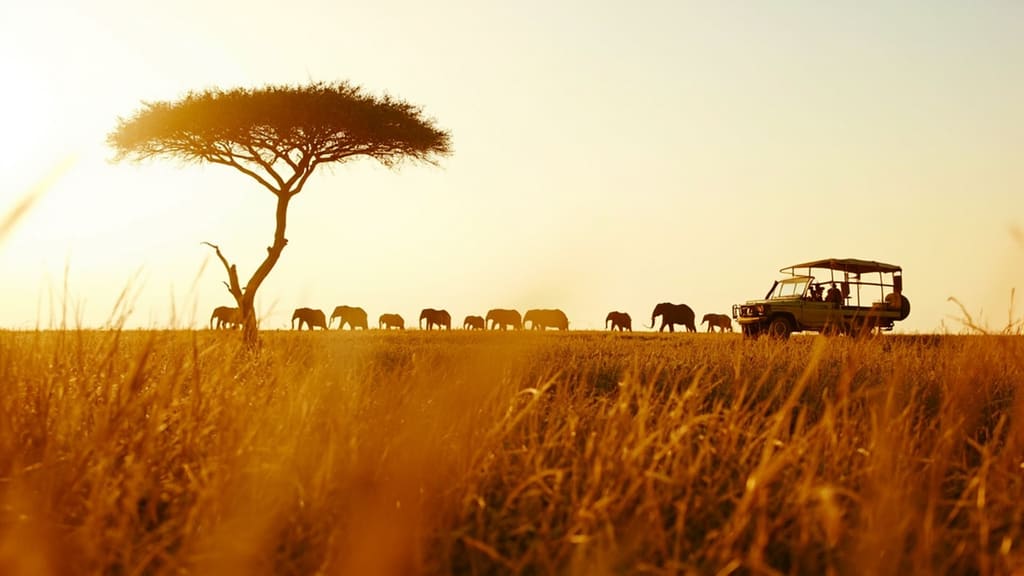
Most safari packages include transport in 4×4 vehicles, an English-speaking driver-guide, all meals, park and conservancy fees, and game drives. Drinks, gratuities, and items of a personal nature are usually excluded. Travel insurance that covers medical evacuation is strongly recommended, as the nearest major hospital is several hours away and evacuation by air is a real possibility in a serious medical situation.
Booking and operators
Booking through a registered Kenyan tour operator ensures that park fees go to the reserve rather than to unlicensed intermediaries. Conservancies reinvest a portion of fees into community projects, predator compensation schemes that reduce retaliatory killings, and habitat protection, so staying in a conservancy is one of the more direct ways travelers can support conservation on the ground. For background on the geography, history, and wildlife of the destination, the Wikipedia entry on the Maasai Mara safari landscape offers a useful overview for first-time planners.
What to pack
Clothing should be neutral in color and easy to layer. Mornings on open vehicles can be cold, while midday in the sun feels distinctly warmer. A practical packing list typically includes:
- Valid passport with at least six months’ validity and a Kenyan tourist visa, often available on arrival
- Yellow fever vaccination certificate, required if traveling from an endemic country
- Neutral-colored clothing in layers, including a warm fleece for early morning drives
- Sturdy binoculars, a wide-brimmed hat, sunscreen, and insect repellent
- A zoom lens in the 100-400mm range if photography is a priority
- Malaria prophylaxis, advised by most travel clinics for travel to the Mara region
- Cash in small denominations for tips and craft markets, alongside a working credit card
Choosing the right season, the right area, and the right pace makes the difference between a trip and a lasting experience. Done well, a visit to the Mara rewards travelers with close wildlife encounters, the cultural depth of Maasai heritage, and a clearer understanding of why this corner of Kenya has captured the imagination of naturalists for more than a century.